When someone tells me they can’t grow anything or that whatever they plant dies, I know from experience they gave up too early. The truth is that if you like digging in the dirt, don’t mind dirty fingernails, and constant weeding, you can grow anything.
By “anything,” I mean what belongs in your soil, your climate, your amount of sunshine and rainfall. Gardening has less to do with luck than understanding conditions. And above all, it requires the patience of Father Time.
My first foray into gardening was a tiny spot in a corner of the front yard. I just wanted a few flowers. Failed miserably. A few years later, in a different yard, I decided to dig up a seven-foot-wide circular garden, this time in the backyard where my failures would not be so public.
It was a modest success. We moved again, and this time I dug up a six-by-ten-foot-wide garden in the middle of the front yard. I planted, mulched and spent hours on my knees weeding. But I also received many, many compliments.
This was also the first year that I kept up with gardens in both the front and back yards. Now, to be clear, I am an ornamental gardener. Occasionally, I tuck a few tomato plants among the flowers, but with only limited success.
Picture-style garden books were my best friends, and eventually I discovered the money-saving benefits of planting perennials, seeds, and bulbs.
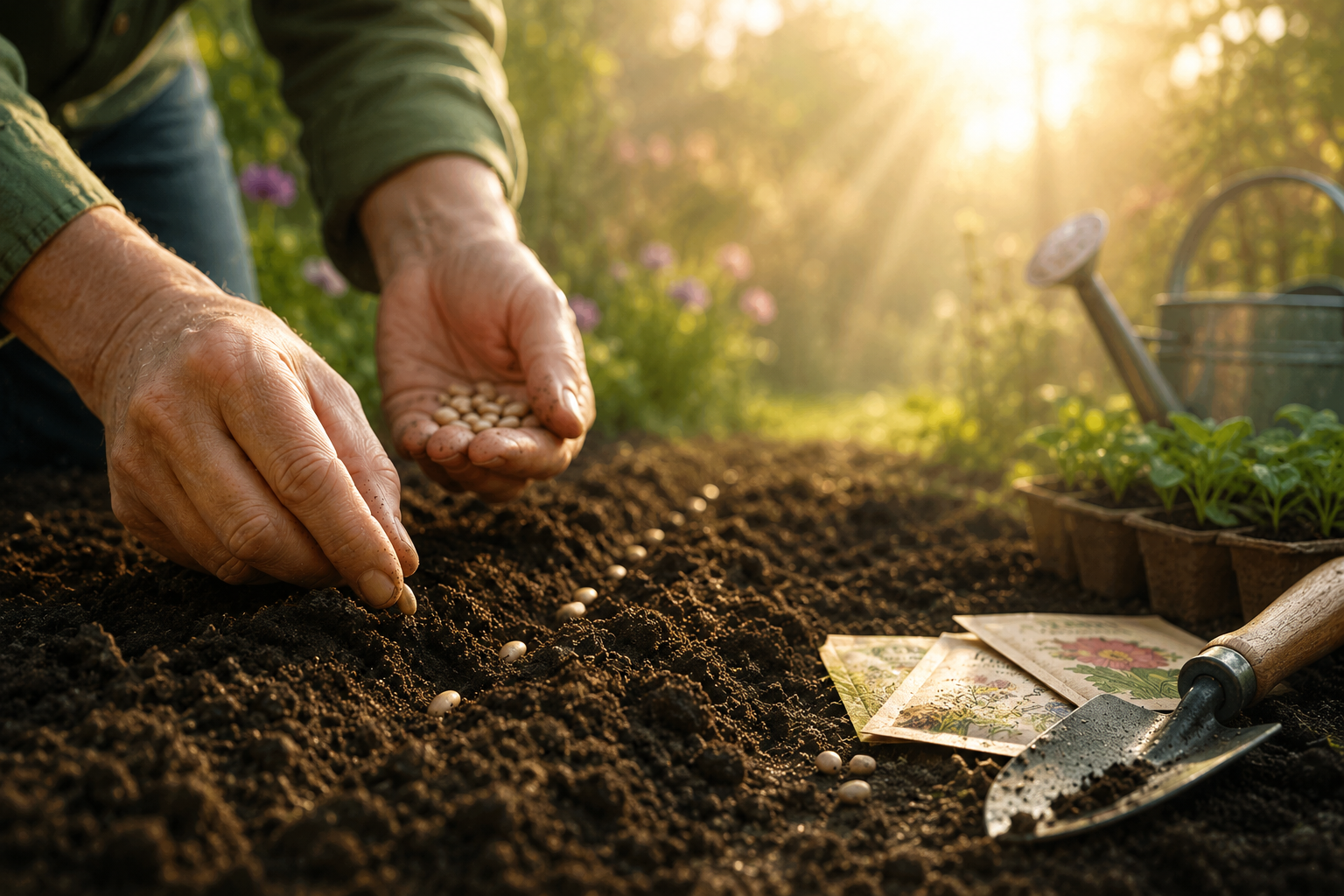
Seeds were by far the most economical. Planting seeds can be painfully slow compared to ready-to-plant trays of seedlings from plant farms and stores.
Sometimes I lose track of where I planted my seeds, or I plant something else right in the same spot. Or dropped seeds from last year’s plant unexpectedly come up in all the wrong spots, forcing me to treat them like weeds.
Years later, I realized the lessons I learned on my knees pulling weeds applied equally well to helping nonprofit founders launch new organizations.
Over the years, I’ve listened to many people describe dreams of starting a nonprofit. Their ideas are mostly like unsprouted seeds, but with promise, hope, and the potential to grow into something meaningful.
Failure isn’t fatal
Let’s start with failure, a deeply misunderstood word in the English language. It can be missing the target, unmet personal expectations or the plan going off track. Many early organizations don’t fail because the idea was bad. They fail because they interpreted early setbacks as proof the idea – the start-up nonprofit – can’t succeed.
Right plan, right place
Like understanding the conditions critical for certain plants to grow in specific places in your yard, nonprofit founders need to understand that not every good idea will work in every community. Importing successful models from other cities can quickly go awry if local donors and existing nonprofit networks can’t catch the vision.
Too often, founders begin the startup process before understanding what services already exist in their community. So, it’s important to explore the actual need before launching.
Learning in small spaces
From my tiny front-yard corner to larger gardens, I learned important lessons that built on one another. Every plant that survived the summer was joy; every failure sent me back to the books to figure out why.
My front yard gardens were a sign of increased confidence and gardening knowledge. But the backyard was the center of many experiments and failures.
The picture book problem
The books were incredibly helpful. They helped me dream. The patience to read the tips and directions created many aha moments. I began to realize that great gardens take years of work, failed plants, struggles with Mother Nature, and understanding timing.
Young nonprofits experience failed programs, fundraising struggles, leadership challenges and volunteer shortages. Those challenges aren’t signs of failure.
They’re part of the cultivation process.
Like my picture books that show the blooms, it doesn’t reflect the decades of cultivation.
The power of weeding
Notice how often gardening requires removing rather than adding. The weeds and grass never give up! Many times, nonprofit leaders think success means adding programs, events, committees, and partnerships.
The experienced nonprofit leader knows how important it is to weed out unnecessary activities, ineffective programs, distractions and projects that no longer fit the mission.
The treasure is the map
Finally, there is the ever-present belief in the hidden treasure. That one or two donors can fund it all. Any treasure hunter will tell you that exploration requires patience, persistence, learning to read the map, adapting and maybe partnering.
I still believe in the future of seeds, not giving up, understanding your community, learning from others, adapting and networking. The real treasure is learning how things grow.
And to the donors who hide the treasure, don’t bury it too deeply. The greatest reward isn’t guarding the search; it’s helping a seed become something that outlives the season.
Read it. Share it. Pass it on.
If you have a question or a topic you would like to see explored in future posts, please reach out to me.
Website: www.dawnfranks.com
Email: dawn@dawnfranks.com
Facebook: https://www.facebook.com/dawfranks/
LinkedIn: www.linkedin.com/in/dawn-franks-strategicsolutions/