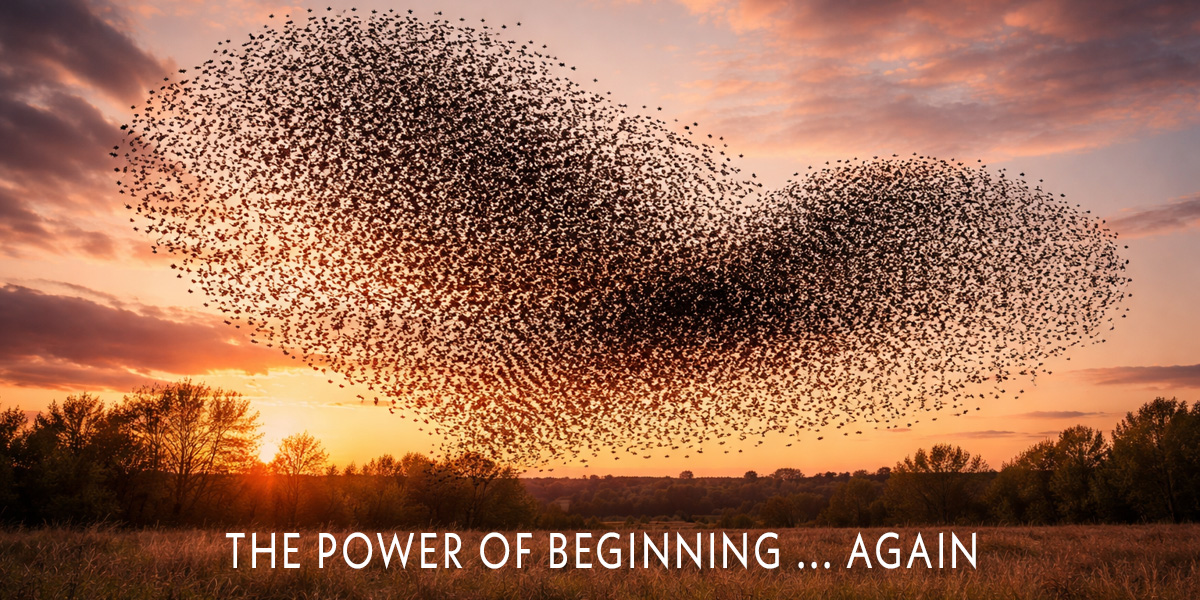

Volunteering isn’t a fixed identity. It’s a relationship.
At fourteen, summertime meant volunteering as a Candy Striper at the local hospital. I took the role seriously—so seriously that when I returned the following summer, I helped train the new volunteers. Of course, that seemed natural, given my vast experience.
Looking back, I smile at that version of myself. Not because she was wrong, but because she had no idea how much her understanding of volunteering would grow.
Volunteering has followed me through every stage of life. In college, I said yes to helping start a nonprofit, even though I had no real experience navigating IRS forms. I didn’t know enough to be intimidated by the nonprofit application process, so I volunteered to complete the paperwork.
In my late twenties, my giving expanded to include financial support. My contributions were modest, but they always went to organizations doing work I believed mattered.
At each stage, my version of volunteering matched who I was at the time—curious, willing, sometimes naïve, but always learning.
What I didn’t realize then—and what I see clearly now—is that volunteering isn’t a fixed identity. It’s a relationship. And like any meaningful relationship, it evolves.
Permission we rarely give ourselves
Somewhere along the way, many of us begin to believe that commitment means consistency—that if we care about a cause or organization, we should stay year after year, role after role. Hands-on volunteer, board member, maybe donor.
But what if that’s not the full picture?
Sometimes what once energized us begins to feel heavy. Sometimes the role we stepped into years ago no longer fits the person we’ve become. And yet, we hesitate to change. We worry that stepping away means we’re letting someone down.
A message I came across recently put it this way: you’re not failing—you’re evolving.
That seems right. It applies just as much to how we serve as it does to how we work or live.
What if growth—not consistency—is the real measure of commitment?
Volunteering has changed
Part of what makes this evolution not only possible but necessary is that volunteering itself has changed dramatically.
There was a time when volunteering was largely defined by long-term loyalty. You joined an auxiliary, served on a board, or showed up week after week in the same role. Most opportunities were in person, and expectations were clear: commitment meant staying.
Today, the landscape is different.
We now see:
- Short-term, project-based opportunities that fit into busy lives
- Skills-based volunteering, where professionals lend expertise in finance, marketing, or strategy
- Virtual and remote roles that remove geographic barriers
- Greater emphasis on causes rather than single organizations
- In other words, volunteering has expanded to meet people where they are.
- And that opens the door for something important: choice.
You no longer have to fit into a single lane
You might spend a season serving on a board, then step into a hands-on role. You might lend your professional skills to one organization while financially supporting another.
You might try something entirely new simply because it sparks your curiosity.
This isn’t a lack of commitment.
It’s saying yes to expansion, growth, and new opportunities.
Signs it might be time to change
If you’ve ever felt an inner nudge that something needs to shift, you’re not alone.
It might sound like:
- “This used to energize me, but now it feels like an obligation.”
- “I’ve grown, but my role hasn’t.”
- “I’m curious about something new, but I feel guilty even thinking about leaving.”
Staying isn’t always loyalty. Sometimes it’s simply habit.
And habit can keep us from discovering where we’re most needed next.
Giving yourself permission to change
What I’ve come to understand is this: I didn’t stop volunteering as my life changed—I expanded how I did it.
Each new season brought different capacities, skills, and interests. When I allowed my volunteering to evolve alongside those changes, it became more meaningful, not less.
Letting go of one role made space for another. Trying something new brought fresh energy. Saying no when something no longer fit made my yeses stronger.
A new definition of commitment
Maybe commitment doesn’t mean staying in the same place forever.
Maybe it means continuing to show up—for the causes you care about—in ways that align with who you are now.
That fourteen-year-old Candy Striper couldn’t have imagined the path ahead.
But she didn’t need to.
She just needed to begin.
The same is true for us.
The road ahead
The question isn’t whether you should keep volunteering.
It’s whether you’re willing to let your volunteering and giving grow with you.
A simple invitation to reflect
- What aspects of volunteering give you energy right now?
- What feels draining or out of sync?
- Is there something new you’ve been curious to try?
Write it down—with no judgment and no pressure to act immediately.
Then ask yourself: Am I willing to build my next chapter of service around who I’m becoming, not just who I’ve been?
You might be surprised where the answer leads.
Read it. Share it. Pass it on.
It’s whether you’re willing to let your volunteering and giving grow with you.
If you have a question or a topic you would like to see explored in future posts, please reach out to me.
Website: www.dawnfranks.com
Email: dawn@dawnfranks.com
Facebook: https://www.facebook.com/dawfranks/
LinkedIn: www.linkedin.com/in/dawn-franks-strategicsolutions/